When the World Calls You Evil for Loving Christ • Nov 22, 2025

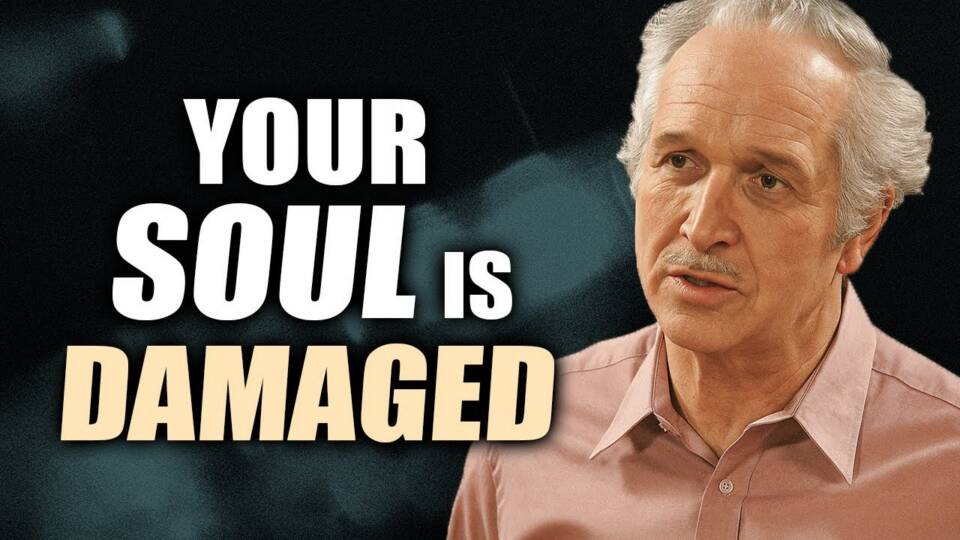
Your Soul is Damaged • Mar 13th 1985
This may be one of the most sobering messages you will ever hear.
In So You Think You Are Normal, Gene Edwards confronts a dangerous assumption common among believers: that all we need for transformation is deeper spirituality — more prayer, more Bible study, more knowledge of Christ — and that our souls are essentially fine.
They are not.
Drawing from real-life experience within church life, this message exposes the enormous damage present in the human soul — even among sincere Christians pursuing the deeper Christian life .
Imagine gathering 100 ordinary Christians from any city in America. Not extreme cases. Not scandalous outliers. Just average believers. Among them, you will find addiction, rage, manipulation, sexual confusion, guilt, depression, rebellion, authoritarian tendencies, insecurity, control issues, perfectionism, and emotional wounds that go far beyond what preaching alone can address.
This is not a cursed group.
This is normal.
The problem is not that believers lack spiritual teaching. The problem is that the soul — damaged by the fall — requires transformation that goes deeper than information.
This message dismantles several myths:
It cannot.
When spiritual methods fail to fix complex soul problems, movements often drift into legalism, authoritarianism, and even totalitarianism — forcing conformity instead of pursuing healing.
Gene makes a bold declaration: the needs and differences of God’s people are greater than any spiritual formula ever created. There is no capsule cure. There is no universal method. The church must be elastic enough to address varied and deeply personal wounds.
He confronts another assumption: that psychological or counseling help is somehow unspiritual. The refusal to seek help, he suggests, may be evidence of deeper need.
The message culminates in a sobering insight drawn from history. Evil is not always monstrous in appearance. Sometimes it is chillingly normal. The same damaged soul that produces dysfunction in community life is the soul Scripture describes as fallen and depraved.
The deeper Christian life is not an escape from this reality. It intensifies it.
True sanctification involves:
The New Testament calls for holiness in all three.
Spiritual growth must be accompanied by willingness:
Without this, we play games with spirituality.
This message does not dismiss the deeper life — it grounds it. It insists that maturity requires honesty about our damage and openness to change.
If you desire Christ deeply, you must also desire transformation deeply — not only in your spirit, but in your soul.
Brothers and sisters, we need to give a little bit more time and consideration to the transformation of our souls, and we need a willing heart to get a little help. If we don’t, we’re going to play games with the deeper Christian life, our walk with Christ, and the things of the spirit. Within our commitment to Christ, there just is the willingness to be changed and transformed in the soul. The openness…and the willingness.
When the World Calls You Evil for Loving Christ • Nov 22, 2025
This Is How You Must Honor The Son • Nov 22, 2025
Truth Changes Everything • Jan 01, 2014